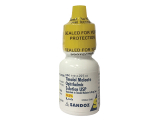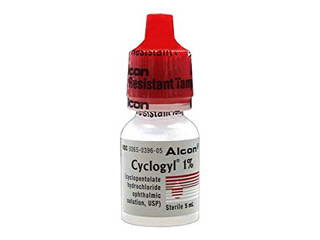
Product Information
Achieve Crystal Clear Vision: Why Cyclopentolate 1% Eye Drops Are Your Essential Diagnostic Tool
Problem Description: The Need for Precise Ophthalmic Examination
Maintaining optimal eye health requires thorough and accurate examinations by qualified ophthalmologists and optometrists. A critical step in many routine and specialized eye exams is achieving adequate cycloplegia—the temporary paralysis of the ciliary muscle, which controls the focusing mechanism of the eye (accommodation). When the ciliary muscle is not relaxed, the patient’s natural ability to focus can interfere with precise measurements of refractive errors, particularly in children or individuals with accommodative spasm. This interference can lead to misdiagnoses or underestimations of true refractive conditions, potentially resulting in incorrect spectacle or contact lens prescriptions. Many patients, especially younger ones, find the effort of maintaining focus during testing difficult or uncomfortable, leading to unreliable results. Understanding how to get cyclopentolate prescribed is the first step toward ensuring diagnostic accuracy.
Furthermore, certain pathological conditions, such as uveitis or iridocyclitis, require temporary immobilization of the iris and ciliary body to prevent painful muscle spasms and reduce inflammation. Without effective cycloplegic agents, managing these painful inflammatory states becomes significantly more challenging. If you are searching for tropicamide alternatives for short-term dilation, or need a robust solution for comprehensive refraction, the limitations imposed by unparalyzed accommodation are a significant hurdle in modern eye care practice. This necessity for accurate diagnostic visualization drives the demand for reliable, fast-acting, and effective cycloplegic agents.
The dilemma faced by practitioners is choosing an agent that offers profound cycloplegia without excessively prolonged effects, balancing diagnostic utility against patient convenience post-examination. When considering ocular hypotensive agents, medications like Timoptic are used for pressure management, but they do not address the refractive challenge. Therefore, the focus must remain on agents specifically designed for paralysis of accommodation.
How the Medication Helps: The Mechanism of Action of Cyclopentolate
Cyclopentolate, specifically formulated here as a 1% ophthalmic solution, belongs to the anticholinergic class of medications. Its primary function is to temporarily block the action of acetylcholine at the muscarinic receptors located in the ciliary body of the eye. Acetylcholine is the neurotransmitter responsible for parasympathetic stimulation, which causes the ciliary muscle to contract, thereby enabling near vision focus (accommodation). By competitively inhibiting this action, Cyclopentolate effectively relaxes the ciliary muscle, inducing a state of cycloplegia.
This induced relaxation ensures that the eye's focusing power is entirely neutralized during the examination. This is crucial for objective refraction techniques and subjective testing, allowing the clinician to accurately determine the underlying refractive error without the confounding influence of accommodative effort. For pediatric patients, where cooperation can be challenging, the rapid onset of action associated with Cyclopentolate 1% is a major advantage. Many eye care professionals frequently ask cyclopentolate 1 percent eye drops for sale because of this reliable effect.
The advantage of Cyclopentolate over some other longer-acting anticholinergics lies in its relatively short duration of action. While providing sufficient time for a thorough examination, the effects typically wear off faster than those of atropine, significantly improving the patient's return to normal visual function. If you are researching cyclopentolate dosage and duration, you will find that the 1% concentration is often the standard for achieving profound paralysis necessary for pediatric refractions.
Benefits: Why Choose Cyclopentolate 1%?
The primary benefits of utilizing Cyclopentolate 1% center on diagnostic superiority and patient management. Firstly, it provides profound and reliable cycloplegia, making it the gold standard for pediatric refraction where underlying hyperopia might otherwise be masked by active accommodation. Secondly, its onset of action is quite rapid, often achieving maximal effect within 30 to 60 minutes, streamlining the clinic workflow. This speed is invaluable when dealing with high patient volumes.
Furthermore, in cases of ocular inflammation, such as anterior uveitis, the cycloplegic effect helps break the accommodative spasm associated with the condition, significantly reducing pain (ciliary spasm is notoriously painful) and preventing posterior synechiae formation (adhesions between the iris and the lens capsule). While managing inflammation often involves steroids, such as those found in Tobradex, the symptomatic relief provided by the anticholinergic action of Cyclopentolate is immediate and essential.
For practitioners aiming for comprehensive anterior segment assessment—examining structures like the iris and lens under dilation—Cyclopentolate delivers effective mydriasis (pupil dilation) concurrently with cycloplegia. The ability to obtain clear, artifact-free images during procedures like ultrasound biomicroscopy (UBM) or detailed slit-lamp examination is dramatically enhanced. If you are looking for buy cyclopentolate online for eye exam, you are prioritizing efficiency and accuracy in your ophthalmic evaluations.
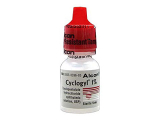
Another key benefit, often overlooked when comparing it to similar agents like Cyclogyl (which is essentially the same active ingredient, just under a different trade name), is the consistency of the 1% concentration when sourced correctly, ensuring predictable clinical outcomes across different patient encounters. When comparing it against agents primarily used for glaucoma management, such as Xalatan 0.005% (latanoprost), the distinct purpose—diagnostic paralysis versus pressure lowering—becomes very clear, highlighting Cyclopentolate's specialized role.
Available Forms and Dosages
Cyclopentolate is almost exclusively available in ophthalmic solution form. The dosage strength of paramount importance in clinical practice for achieving complete cycloplegia is the 1% solution. While lower concentrations may exist for different therapeutic applications (like mild uveitis management), the 1% concentration is the standard recommendation for definitive cycloplegic refraction, particularly in younger individuals or those with known high accommodative tone. The formulation typically includes preservatives to maintain sterility after opening, which is a standard consideration for multi-dose eye drop bottles. Always confirm that the product you are purchasing specifies 1% strength when seeking definitive cycloplegia. Patients often search cyclopentolate 1 percent price to gauge the cost-effectiveness of this essential diagnostic tool.
General Information: Classification and Therapeutic Use
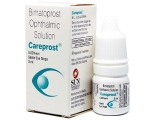
Cyclopentolate hydrochloride functions as a pharmaceutical agent classified under cycloplegics and mydriatics. Its application is strictly limited to ophthalmic use under the supervision of a healthcare professional. It is not intended for chronic management of conditions like glaucoma or for cosmetic purposes, unlike some other ocular agents. For instance, while some users explore medications like Bimatoprost 0.03% or Careprost for eyelash growth, Cyclopentolate serves a purely diagnostic and acute therapeutic role related to muscle function and inflammation.
Its inclusion in the standard ophthalmic formulary reflects its necessity in achieving the baseline data required for subsequent effective treatment plans, whether that involves prescribing corrective lenses or initiating long-term inflammation control. Practitioners rely on its predictable pharmacological profile to make critical decisions about patient care.
Safety and Side Effects: Responsible Use of Cyclopentolate
As with any potent pharmaceutical agent, the use of Cyclopentolate 1% requires an understanding of its potential side effects and contraindications. The most common side effects are directly related to its mechanism of action: blurred vision due to loss of accommodation and photophobia (light sensitivity) due to the dilated pupil. These effects are temporary but can be significant enough to advise patients against driving or operating heavy machinery immediately following administration.
Systemic absorption, although generally low with proper administration technique, can occur, particularly in very young children or those with compromised corneal barriers. Systemic anticholinergic effects, though rare at standard doses, can include dry mouth, flushing, tachycardia, and central nervous system effects such as drowsiness, confusion, or restlessness. Healthcare providers must be vigilant regarding these possibilities, especially when considering patients on other medications that might interact with anticholinergic pathways.
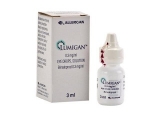
Contraindications generally include known hypersensitivity to cyclopentolate or related compounds. Caution is advised in patients with narrow-angle glaucoma, although the risk of provoking an acute angle-closure attack from cycloplegics is generally considered lower than with pure alpha-adrenergic agonists used for dilation. Always review a patient’s complete medication list, especially if they are using products like Lumigan for ocular pressure, to rule out potential contraindications or adverse drug interactions.
When searching for cyclopentolate side effects in children, it is important to note that while rare, increased systemic absorption necessitates careful monitoring, particularly in infants. If you are concerned about adverse reactions when seeking where to purchase cyclopentolate drops, ensure you have a direct line of communication with your prescribing physician.
Reviews/Social Proof: Practitioner Confidence in Cyclopentolate
The enduring presence of Cyclopentolate in ophthalmic practice is testament to its effectiveness, often demonstrated through positive feedback from clinicians who rely on it daily. Optometrists frequently cite its predictability as a key factor differentiating it from agents that might produce variable dilation or cycloplegia. For instance, while some practitioners might consider alternatives like Careprost + Applicators for entirely different cosmetic goals, the diagnostic community universally recognizes Cyclopentolate’s superior role in refraction.
Anecdotal evidence within professional forums often highlights successful pediatric refractions achieved after previous attempts with less effective agents failed to break accommodation. The relief expressed by parents whose children finally receive an accurate spectacle prescription underscores the medication's true value. Many seasoned professionals report that when performing cycloplegic refraction, they keep Cyclopentolate 1% as their primary go-to, perhaps using agents like Bimat + Applicators only if a specific adjunctive effect is needed (though Bimatoprost is not a cycloplegic).
The consistent performance across diverse patient populations solidifies its reputation. When discussing robust diagnostic tools, Cyclopentolate is rarely omitted. If you are an eye care professional evaluating suppliers, you are likely interested in trusted suppliers for cyclopentolate to ensure product integrity and availability.
Dosage Administration: Achieving Optimal Cycloplegia
Administering Cyclopentolate 1% requires adherence to established protocols to maximize efficacy and minimize patient discomfort. For a standard cycloplegic refraction in an adult or older child, the typical regimen involves instilling one drop into the conjunctival sac of each eye, followed by a second drop five minutes later. For infants and toddlers, especially those with dark irises, some practitioners advocate for administering three drops spaced five minutes apart to ensure complete cycloplegia. Post-instillation, gently pressing the lacrimal puncta (inner corner of the eye) for 30 seconds helps minimize systemic absorption.
The examination is usually performed 45 to 60 minutes after the final drop, allowing sufficient time for the ciliary muscle paralysis to reach its maximum effect. It is vital that the patient understands the ensuing blurred vision and light sensitivity so they are prepared for the temporary visual impairment. Understanding cyclopentolate administration guide is crucial for both the clinician and any supporting staff involved in the process.
It is important to note that the therapeutic window is carefully balanced. If a patient is also receiving other dilating agents, this must be factored in. Furthermore, if the goal shifts to something like managing lash growth, products such as Lumigan + Applicators or Bimatoprost 0.03% would be indicated instead, underscoring the need to use the right drug for the right indication.
Price and Where to Buy Cyclopentolate 1%
The procurement of specialized ophthalmic medications like Cyclopentolate 1% requires sourcing from reputable pharmaceutical suppliers who adhere to stringent quality control standards. The price point can vary based on volume purchased, existing contractual agreements with healthcare facilities, and geographical location. For individual practitioners or smaller clinics, understanding the current market rates is essential for maintaining operational budgets. We strive to offer competitive pricing for high-quality, genuine ophthalmic solutions, ensuring that necessary diagnostic tools remain accessible.
We understand the logistical challenges in sourcing reliable eye care pharmaceuticals. Therefore, our platform prioritizes transparency in supply chain management, ensuring that when you search for best place to buy cyclopentolate, you find a source committed to efficacy and legitimacy. We recognize that while some patients might inquire about less specialized ophthalmic treatments, such as those containing prostaglandin analogs like Careprost or Lumigan, the clinical necessity for reliable Cyclopentolate remains paramount for routine diagnostics.
When purchasing, confirm the expiration dates and storage requirements to guarantee the potency of the 1% solution upon administration. Reliable supply ensures that waiting times for crucial eye examinations are minimized, directly benefiting patient throughput. Look into cyclopentolate bulk purchase discounts if your practice utilizes this medication frequently.
Frequently Asked Questions (FAQ)
FAQ 1: How long do the effects of Cyclopentolate 1% typically last?
Generally, the blurring of vision due to cycloplegia and mydriasis induced by Cyclopentolate 1% lasts between 24 and 48 hours. While the peak effect occurs within the first hour, residual blur and light sensitivity can persist into the following day. This duration is significantly shorter than that of atropine, which can last for a week or more, making Cyclopentolate preferable for routine office visits.
FAQ 2: Can Cyclopentolate be used to treat pink eye (conjunctivitis)?
Cyclopentolate is not a primary treatment for bacterial or viral conjunctivitis. However, if the conjunctivitis is accompanied by severe anterior chamber inflammation (uveitis), the cycloplegic and anti-spasm effects of Cyclopentolate can be used adjunctively to manage pain and prevent synechiae formation, often alongside topical antibiotics or steroids like those found in Tobradex. Its role here is palliative and prophylactic regarding muscle spasm, not antimicrobial.
FAQ 3: Is Cyclopentolate suitable for all age groups?
Cyclopentolate 1% is widely used across age groups, including infants, for whom it is often the agent of choice for definitive refraction. However, due to the increased risk of systemic absorption and potential CNS side effects in the very young or those with known neurological issues, precise dosing and monitoring are non-negotiable. Always consult pediatric guidelines specific to your jurisdiction.
FAQ 4: What should I do if my vision does not return to normal after two days?
If visual blurring or extreme light sensitivity persists beyond 48 hours after receiving Cyclopentolate 1%, you must contact your prescribing ophthalmologist or optometrist immediately. While rare, prolonged effects can indicate idiosyncratic sensitivity or an underlying issue. Do not attempt to self-medicate with other eye drops, especially those intended for different purposes, such as glaucoma medications like Xalatan 0.005%, until instructed by your doctor.
Conclusion and Final Call to Action
Cyclopentolate 1% Eye Drops represent a cornerstone of accurate ophthalmic diagnosis. By reliably inducing temporary cycloplegia and mydriasis, this medication empowers practitioners to uncover true refractive errors, effectively manage ocular inflammation pain, and ensure that subsequent treatment plans—whether spectacles, contacts, or anti-inflammatory therapy—are based on precise data. Its rapid onset and manageable duration of action make it superior for clinical efficiency.
Do not compromise the accuracy of your patient's vision correction or the efficacy of their inflammatory treatment due to unreliable diagnostic procedures. Ensure your clinic is stocked with genuine, high-quality Cyclopentolate 1%. Click here to secure your supply of Cyclopentolate 1% Eye Drops today and guarantee diagnostic excellence in every eye exam.