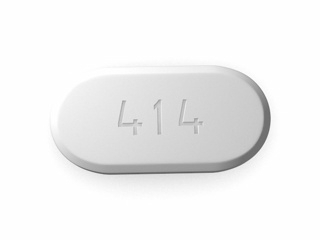
Product Information
Achieve Optimal Cholesterol Control with Ezetimibe: Your Key to Heart Health
Problem Description: Understanding the Silent Threat of High Cholesterol
Millions globally grapple with elevated cholesterol levels, a condition often referred to as hypercholesterolemia. This silent adversary poses a significant risk to cardiovascular health, dramatically increasing the likelihood of serious events such as heart attacks and strokes. Understanding the mechanics of cholesterol is crucial: while the body needs some cholesterol to build healthy cells, too much of the "bad" cholesterol, known as Low-Density Lipoprotein (LDL-C), leads to the dangerous buildup of plaque in the arteries, a process called atherosclerosis. If you have recently received test results asking what is a normal cholesterol level, it is vital to take immediate, effective action to manage this risk factor. Many individuals find that lifestyle changes alone, such as diet and exercise, are insufficient to bring their levels down to a safe range, necessitating medical intervention. This is where targeted medications become indispensable tools in preventive cardiology.
The challenge often lies in finding a treatment that is both highly effective at reducing LDL-C and well-tolerated by the patient. Traditional treatments, such as statins—like Atorvastatin or Simvastatin—are highly effective, but some patients experience side effects or cannot tolerate the maximum dosages required. Furthermore, for patients already on statins, achieving the last few percentage points of LDL reduction can prove difficult, leaving residual risk unaddressed. This gap in treatment necessitates exploring innovative and complementary therapeutic options. When considering how to lower LDL cholesterol without statins, patients often discover mechanisms beyond just inhibiting cholesterol production in the liver.
How the Medication Helps: The Targeted Mechanism of Ezetimibe
Ezetimibe operates through a unique and precise mechanism of action, setting it apart from many other lipid-lowering agents. Unlike statins, which primarily work in the liver to inhibit cholesterol synthesis, Ezetimibe targets cholesterol absorption in the small intestine. Specifically, it selectively inhibits the Niemann-Pick C1-Like 1 (NPC1L1) protein located on the brush border of the enterocytes lining the small intestine. By blocking this protein, Ezetimibe significantly reduces the dietary and biliary cholesterol that is absorbed into the bloodstream. This results in a direct, measurable decrease in circulating LDL-C levels.
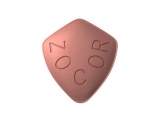
This targeted approach means that Ezetimibe offers significant advantages, particularly when used as monotherapy or, more commonly, in combination therapy. When used alongside statins (such as Lipitor or Zocor), the synergistic effect is profound. The statin reduces the liver's production of cholesterol, while Ezetimibe reduces the amount of cholesterol entering the body from the diet. This dual action provides a more comprehensive reduction in overall cholesterol burden. If you are searching for ezetimibe combination therapy benefits, know that this dual mechanism is the cornerstone of its success in managing severe hypercholesterolemia or preventing cardiovascular events in high-risk populations.
Benefits: Why Choose Ezetimibe for Your Cholesterol Management?
The primary benefit of Ezetimibe is its potent ability to lower LDL cholesterol. Clinical trials consistently demonstrate that it can reduce LDL-C by approximately 15% to 25% when used alone. When added to a stable regimen of a statin, the incremental reduction is often substantial, frequently achieving LDL goals that were previously unattainable. For patients who cannot tolerate higher doses of statins—perhaps due to muscle-related side effects associated with drugs like Crestor—Ezetimibe provides a powerful alternative or supplementary treatment pathway without overlapping the same side effect profile associated with HMG-CoA reductase inhibition.
Beyond LDL reduction, Ezetimibe has shown positive effects on other lipid parameters, including modest reductions in total cholesterol and triglycerides, alongside increases in High-Density Lipoprotein (HDL-C), the "good" cholesterol, although the primary focus remains on lowering LDL. Furthermore, evidence from major outcome trials supports the use of Ezetimibe in combination with statins to reduce the risk of major adverse cardiovascular events (MACE) in patients with established cardiovascular disease or diabetes. This evidence provides strong reassurance for prescribers and patients alike regarding its clinical efficacy beyond just laboratory markers. If your doctor mentioned ezetimibe clinical trial results, they were likely referencing these robust data supporting cardiovascular event reduction.
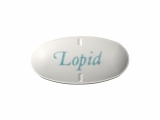
Another significant advantage is its ease of use. Ezetimibe is typically available as a convenient once-daily oral tablet. Its relatively high tolerability profile makes it suitable for long-term management, which is essential for a chronic condition like hypercholesterolemia. While other agents exist, such as fibrates like Tricor or Lopid, which primarily target triglycerides, Ezetimibe focuses squarely on the most dangerous component: LDL-C. This specificity is invaluable for tailored treatment strategies.
Remember, proactive management today through effective medication like Ezetimibe can significantly alter your long-term health trajectory. Do not wait until a cardiovascular event occurs to take aggressive action; explore effective options now.
Take charge of your heart health today by consulting your physician about adding Ezetimibe to your regimen.
Safety and Side Effects: A Profile of Trustworthiness
Safety is paramount when selecting any long-term medication. Ezetimibe (available as the brand name Zetia or generically) is generally well-tolerated by most patients. The most commonly reported side effects are mild and transient, including upper respiratory tract infections, musculoskeletal pain (arthralgia), and sometimes abdominal pain or diarrhea. These are usually less frequent or less severe than some of the adverse effects sometimes associated with high-intensity statin therapy.
When Ezetimibe is used alone, the incidence of liver enzyme elevations is rare, which is a key differentiating factor from statins. However, when combined with a statin, monitoring liver function tests might still be prudent, as per standard medical guidelines for combination therapy. It is important for patients to report any unusual or persistent symptoms to their healthcare provider immediately. For instance, if you are curious about ezetimibe vs statin side effects, the general consensus is that Ezetimibe carries a milder side effect burden, especially regarding muscular symptoms.
There are very few absolute contraindications for Ezetimibe. It is generally not recommended for patients with active liver disease or unexplained persistent elevations in serum transaminases. Furthermore, if you are taking certain other medications, such as bile acid sequestrants, the dosing schedule for Ezetimibe needs careful adjustment to ensure maximum efficacy and safety. Always provide your complete medication list to your prescriber. We also encourage patients to research ezetimibe drug interactions to ensure comprehensive safety planning.
Reviews/Social Proof: Real-World Success with Ezetimibe
Patient testimonials and post-marketing surveillance frequently highlight the success experienced when Ezetimibe is incorporated into their lipid management plan. Many patients report finally achieving their target LDL goals after years of struggling, often stating that the introduction of Ezetimibe was the turning point. For individuals managing familial hypercholesterolemia or those with existing coronary artery disease, the peace of mind that comes with aggressive, yet well-tolerated, LDL reduction is invaluable.
Healthcare providers often rely on evidence-based medicine, and the extensive data supporting Ezetimibe's role in reducing atherosclerotic burden provides strong professional justification for its use. Clinicians frequently note that Ezetimibe allows them to push LDL-C levels lower than previously possible, aligning with the latest guidelines that advocate for very low LDL targets in high-risk groups. If you are wondering about the general consensus, searching for ezetimibe patient reviews often yields positive feedback regarding its efficacy without drastically altering daily routines.
Furthermore, in scenarios where a patient might be considering alternatives that target different pathways, such as Bempedoic acid, or traditional treatments for hypertriglyceridemia like Fenofibrate or Gemfibrozil, Ezetimibe often serves as a reliable baseline therapy due to its proven efficacy profile in LDL reduction.
General Information and Available Forms and Dosages
Ezetimibe is classified as a cholesterol absorption inhibitor. It works differently from other major classes of lipid-lowering drugs by acting directly on the intestine rather than primarily on the liver's synthetic pathways. This makes it a crucial component in modern, multi-faceted cholesterol management strategies. It is important to understand the difference between Ezetimibe and other agents; for example, medications like Ursodiol (or Urso) are typically used for dissolving gallstones, not for systemic cholesterol control, highlighting the specific role of Ezetimibe.
The standard and most commonly prescribed dosage for Ezetimibe is a single tablet containing 10 mg, taken orally once daily. This 10mg dosage is effective whether the medication is used as monotherapy or in combination with a statin or other lipid-lowering agents. There is generally no need for dose titration beyond this standard strength, simplifying treatment adherence. Always follow the exact instructions provided by your prescribing physician regarding timing relative to meals, although Ezetimibe can be taken with or without food.
How to Use Ezetimibe Correctly
Consistency is key to managing cholesterol. Ezetimibe 10mg should be taken orally once a day. If your physician has prescribed it alongside a statin, ensure you understand the schedule for both medications. For example, if you are taking a statin that is best taken in the evening (when cholesterol synthesis peaks), you can generally take Ezetimibe at any time of the day, provided it is taken consistently.
It is vital to remember that Ezetimibe is not a substitute for a healthy lifestyle. It is intended to be used in conjunction with a cholesterol-lowering diet and regular physical activity. Continue all prescribed lifestyle modifications diligently. If you are new to treatment and searching for how long does it take for ezetimibe to work, expect to see significant changes in your lipid panel typically within two to four weeks of consistent use. Regular follow-up blood tests are necessary to confirm that the treatment is achieving the desired therapeutic goals set by your doctor.
Frequently Asked Questions (FAQ) about Ezetimibe
Q1: Can I stop taking Ezetimibe if my cholesterol levels improve?
A: No. Cholesterol management is typically a lifelong commitment. If you discontinue Ezetimibe, your LDL cholesterol levels are likely to rebound because the underlying biological predisposition to high cholesterol remains. Always consult your healthcare provider before making any changes to your prescribed dosage or stopping the medication.
Q2: Is Ezetimibe safe to use during pregnancy or while breastfeeding?
A: Ezetimibe is generally not recommended during pregnancy or while breastfeeding due to limited safety data. If you are planning a pregnancy or become pregnant while taking this medication, contact your doctor immediately to discuss alternative, pregnancy-safe lipid management options.
Q3: What should I do if I miss a dose of Ezetimibe?
A: If you miss a dose, take it as soon as you remember, unless it is nearly time for your next scheduled dose. In that case, skip the missed dose and resume your regular dosing schedule. Do not double up doses to make up for a missed one. Maintaining daily consistency is crucial for steady cholesterol reduction.
Q4: What is the main difference between Ezetimibe and Bempedoic acid?
A: Both medications lower LDL-C, but they work in different parts of the body. Ezetimibe inhibits cholesterol absorption in the intestine, while Bempedoic acid inhibits cholesterol synthesis in the liver via a different pathway than statins. They can sometimes be used together or as alternatives depending on the patient's needs and statin tolerance.
Price and Where to Buy Ezetimibe
The cost of Ezetimibe varies significantly based on whether you purchase the brand name formulation or the generic version. Generic Ezetimibe (10mg) is typically very affordable, especially when compared to newer, patented therapies. Insurance coverage plays a significant role; most major insurance plans cover generic Ezetimibe, often with low co-pays. Before filling your prescription, we highly recommend checking with your pharmacy benefits manager or comparing prices at different local pharmacies.
For convenient and discreet purchasing, you can order Ezetimibe online from reputable, licensed online pharmacies. This option often provides competitive pricing and ease of access, particularly for refills. When searching for where to buy ezetimibe online, always verify that the source is legitimate and requires a valid prescription from your licensed healthcare provider, ensuring you receive authentic medication. We strive to ensure that accessing necessary, high-quality heart medication is straightforward and cost-effective for all our valued customers.
Conclusion and Final Call to Action
Ezetimibe stands out as a highly effective, well-tolerated cholesterol absorption inhibitor, offering a vital tool for individuals needing to reduce elevated LDL-C levels. Whether used to complement a statin regimen or as monotherapy when statins are contraindicated, its targeted mechanism provides substantial cardiovascular protection. By lowering the amount of cholesterol absorbed daily, Ezetimibe helps patients achieve crucial therapeutic targets, reducing the risk of heart attacks and strokes. It’s easy to take, generally safe, and backed by strong clinical evidence demonstrating its ability to improve outcomes.
Don't let high cholesterol remain an unchecked risk factor in your life. Speak to your cardiologist or primary care physician immediately to discuss whether Ezetimibe 10mg is the right next step for achieving comprehensive heart health protection. Contact your doctor today to start your prescription for Ezetimibe and take control of your lipid profile.