Understanding the Landscape of Antidepressant Medications
Antidepressants are a class of pharmaceutical drugs primarily used to treat major depressive disorder (MDD) and various anxiety disorders. They work by balancing specific neurotransmitters in the brain, such as serotonin, norepinephrine, and dopamine, which play crucial roles in mood regulation. The field of psychopharmacology offers a diverse array of options, each targeting different mechanisms of action.
This article provides an overview of the general category and highlights several notable medications frequently prescribed for mood and related conditions, emphasizing their classification and general function within psychiatric treatment paradigms.
Major Classes of Antidepressant Agents
Antidepressants are generally categorized based on how they affect brain chemistry. While older drugs like Tricyclic Antidepressants (TCAs) and Monoamine Oxidase Inhibitors (MAOIs) are effective, newer generations are often preferred due to more manageable side effect profiles. The most common contemporary classes include Selective Serotonin Reuptake Inhibitors (SSRIs) and Serotonin-Norepinephrine Reuptake Inhibitors (SNRIs).
Selective Serotonin Reuptake Inhibitors (SSRIs)
SSRIs are perhaps the most widely prescribed group. They function by increasing the amount of serotonin available in the synaptic cleft, thereby improving mood. Escitalopram is a widely recognized member of this class, often utilized for its targeted mechanism and generally favorable tolerability.

Serotonin-Norepinephrine Reuptake Inhibitors (SNRIs)
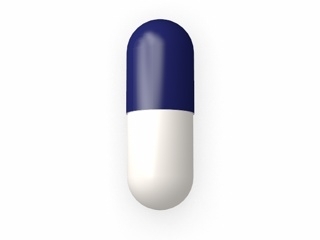
SNRIs block the reuptake of both serotonin and norepinephrine. This dual action can sometimes offer benefits for patients who do not respond fully to SSRIs alone, or for those experiencing fatigue alongside depression. Duloxetine falls into this category and is known for its application in treating both depression and chronic pain conditions.
Medications with Diverse Pharmacological Profiles
Not all effective medications fit neatly into the standard SSRI or SNRI boxes. Some agents have broader or more unique mechanisms, sometimes leading to their use as augmentation strategies or for conditions beyond primary depression.
Norepinephrine and Dopamine Reuptake Inhibitors (NDRIs)
One prominent example in this group is Wellbutrin (Bupropion). Unlike many other antidepressants, it primarily affects the neurotransmitters dopamine and norepinephrine. It is often chosen for patients where concerns about weight gain or sexual side effects associated with SSRIs are significant.

Atypical Antidepressants and Mood Stabilization
Certain medications used in the management of mood disorders have complex profiles that combine antidepressant effects with properties that stabilize mood swings or address psychotic symptoms. These are often critical in managing more complex presentations.
The Role of Aripiprazole
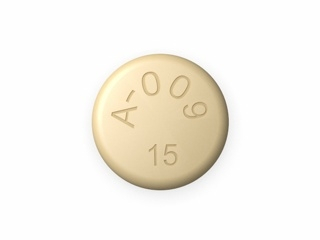
Aripiprazole is classified as an atypical antipsychotic, but it frequently finds use as an adjunctive treatment for major depressive disorder that has been resistant to standard antidepressant monotherapy. Its mechanism involves acting as a dopamine system stabilizer, influencing receptor activity in a complex manner.
Antipsychotics Used for Mood Augmentation
While primarily developed to treat psychotic disorders, certain atypical antipsychotics are FDA-approved for use alongside antidepressants to boost efficacy in treatment-resistant depression. Quetiapine is a notable example in this context, demonstrating efficacy in treating depressive episodes, often at lower doses than those used for primary psychotic conditions.

Navigating Treatment Selection
The selection of an appropriate antidepressant is a highly individualized process involving careful consideration of symptom profile, potential side effects, drug interactions, and patient history. For instance, while Escitalopram is generally well-tolerated for anxiety and depression, a patient struggling with significant fatigue might see a greater benefit from an agent like Wellbutrin.
Furthermore, in cases of severe or persistent depression, combinations involving agents like Duloxetine (for its SNRI properties) or augmentation strategies using drugs like Aripiprazole or Quetiapine may be explored under professional guidance to achieve optimal outcomes.