Understanding the Muscle Relaxant Category
Muscle relaxants are a class of medications primarily prescribed to treat muscle spasms, acute painful musculoskeletal conditions, and the spasticity associated with chronic neurological disorders. These drugs work through various mechanisms, often targeting the central nervous system (CNS) to reduce muscle tone and alleviate involuntary contractions.
The Role of Muscle Relaxants in Therapy
Skeletal muscle relaxation is crucial in managing conditions ranging from simple muscle strains to complex conditions like multiple sclerosis or spinal cord injuries. By reducing hypertonicity, these agents can significantly improve comfort, mobility, and the effectiveness of physical therapy interventions for patients.
Key Medications in Muscle Relaxation
The market features several established agents within the muscle relaxant class, each possessing a unique pharmacological profile. Understanding the differences between these compounds is essential for appreciating their varied clinical applications and profiles.
Centrally Acting Agents
Many commonly prescribed muscle relaxants exert their effects directly on the spinal cord or brainstem. This central action often results in generalized sedation alongside the desired muscle-relaxing effect. This group includes several prominent examples used widely today.
Introducing Specific Muscle Relaxants
We will now examine several important prescription medications frequently categorized as muscle relaxants, noting their specific uses and mechanisms when available.
Zanaflex: The Alpha-2 Adrenergic Agonist
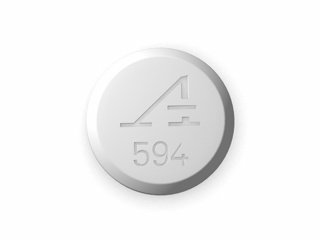
One prominent option is Zanaflex (generic name Tizanidine). This medication functions primarily as an alpha-2 adrenergic receptor agonist. Its mechanism involves increasing presynaptic inhibition of both sensory and motor neurons within the spinal cord. This central action effectively decreases the release of excitatory neurotransmitters, leading to reduced muscle tone.
Baclofen: The GABA-B Receptor Agonist
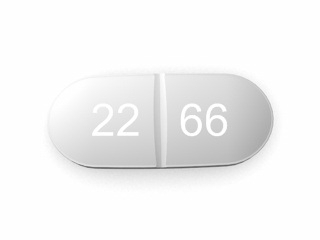
Baclofen is another critical agent in managing spasticity, particularly that stemming from spinal cord lesions. As a structural analog of GABA (gamma-aminobutyric acid), Baclofen acts by stimulating GABA-B receptors. This stimulation results in hyperpolarization of afferent nerve terminals, which consequently inhibits the transmission of spasms from the periphery to the CNS.
Robaxin: Methocarbamol's Role

When treating acute, painful musculoskeletal conditions, Robaxin (generic name Methocarbamol) is frequently utilized. While its exact mechanism is not perfectly delineated, it is believed to work through generalized CNS depression, rather than a direct action on the muscle fibers themselves. This general depressant effect is thought to contribute to its ability to relieve muscle spasm discomfort.
Comparing CNS-Acting Agents
While all these medications aim to relax muscles, their ideal applications often differ based on their specific pharmacodynamic profiles. Spasticity management often leans toward agents with strong spinal action, whereas acute pain relief might favor agents with broader CNS sedative properties.
Revisiting Baclofen and Zanaflex
Both Baclofen and Zanaflex are highly effective in treating chronic spasticity. However, the choice between them often hinges on tolerability and side effect profiles, as their receptor targets—GABA-B versus alpha-2 adrenergic—lead to distinct patient responses regarding sedation and cardiovascular effects.
The Utility of Robaxin
Robaxin, alongside other agents in its class, is often favored for shorter-term use related to mechanical back pain or muscle injury. Its profile is generally different from the potent antispasticity agents used for chronic neurological conditions.
Summary of Muscle Relaxant Selection
The decision regarding which muscle relaxant to use—whether it is Zanaflex, Baclofen, or Robaxin—is context-dependent. It relies heavily on the underlying cause of the muscle issue, the required duration of treatment, and the patient’s individual tolerance to centrally mediated effects like drowsiness.